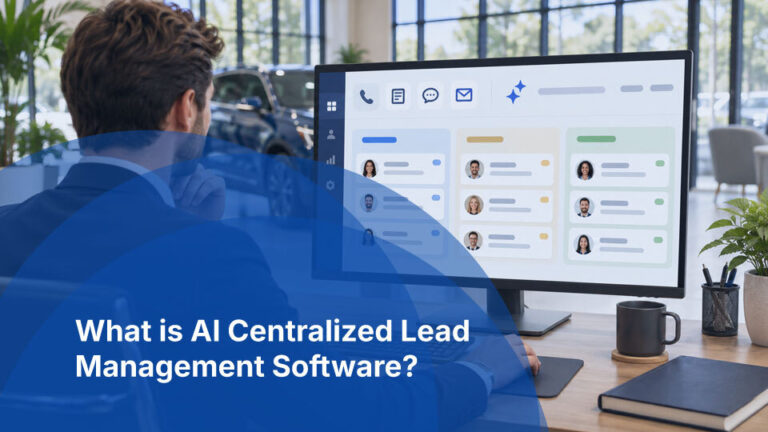
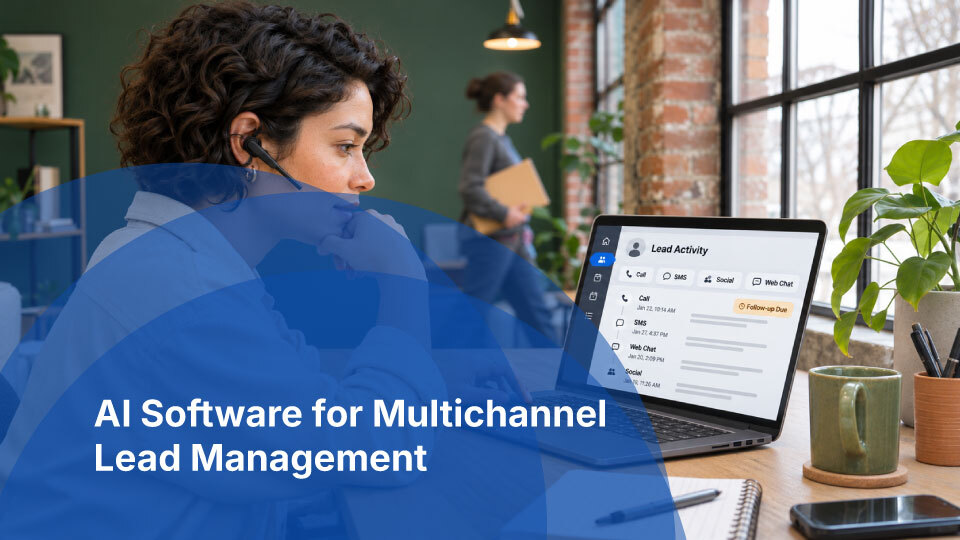
In 2026, businesses generate leads from multiple channels, including voice calls, SMS text, social media, and web chats. Due to a scattered lead generation system, it has become difficult for them to keep track of every lead while replying to every lead.
That creates gaps in communication, delays follow-ups, and makes it difficult for sales teams to identify their most promising prospects. AI-powered omnichannel helps them bring lead data, sales activities, and follow-up processes into a more centralized system.
By combining lead capture, automated routing, intelligent prioritization, and performance tracking, businesses can improve visibility across the sales pipeline and help sales representatives focus on the opportunities that matter most.
OmnePulse can be positioned around this central objective: helping businesses organize leads from multiple channels, streamline lead management, and create a more consistent path from initial inquiry to conversion.
Key Takeaways
-
OmnePulse consolidates incoming leads from voice calls, SMS text, social media, and web chats into a single shared workflow to eliminate scattered spreadsheets.
-
The platform analyzes buyer engagement signals to automate lead assignment, speed up initial responses, and focus sales reps on high-intent opportunities.
-
Real-world conversion gains depend on team execution, proper CRM integrations, and structured processes rather than just turning on software.
What is AI Multi-Channel Lead Management Software?
AI multi-channel lead management software is a system designed to collect, organize, track, qualify, and manage leads generated across different channels.
It combines centralized lead data with automation and, where supported, artificial intelligence to help sales teams manage prospects more efficiently. Traditional lead management often relies on separate spreadsheets, inboxes, advertising dashboards, and CRM systems.
This fragmented approach can make it difficult to identify duplicate records, understand previous interactions, and determine which leads need immediate attention. An AI-powered lead management system helps address these challenges by bringing relevant lead information into a shared workflow.
OmnePulse automatically assigns leads, analyzes engagement patterns, recommends next actions, and triggers follow-ups based on predefined rules or predictive insights. It doesn’t only collect more leads, but it manages existing opportunities and reduces the operational gaps that can prevent prospects from moving through the sales pipeline.
Why Businesses Need a Multi-Channel Lead Management System
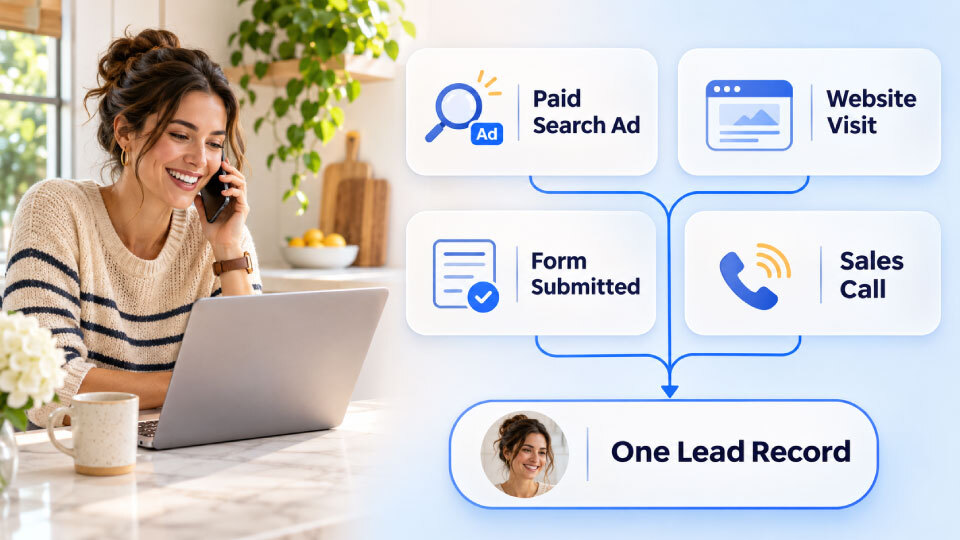
2026’s buyers follow a single, predictable path to make a purchase. They can discover your business through a paid search advertisement, visit your website, submit a form, and later contact the sales team by phone.
When these interactions are managed in fragments, sales advisors lack the context needed to respond appropriately. Marketing teams also struggle to determine which campaigns generate qualified opportunities rather than just high volumes of inquiries.
A centralized multi-channel lead management system helps businesses address several common challenges, such as:
1. Analytics and Attribution
OmnePulse provides lead reporting to help dealerships connect marketing efforts with downstream sales outcomes. In 2026, businesses are looking for consistent tracking across the customer journey and reports that distinguish lead volume from qualified leads, opportunities, and actual revenue to thrive.
2. Integrations and Scalability
Our AI-powered lead management system fits into the existing business model, including relevant CRM, advertising, communication, and analytics systems. Thereby, dealerships can review integration reliability, API availability, permissions, data retention, and the ability to support future business growth.
Core Benefits of AI Multi-Channel Lead Management Software
An AI-enabled multi-channel lead management system improves how sales and marketing teams handle incoming leads and outbound responses.
Although that’s not just a single advantage of integrating lead management software, there are more:
1. Faster Lead Response
OmnePulse supports automated lead capture, lead qualification, and notifying relevant staff to reduce delays between an inquiry and the first sales action. Such a capability helps dealerships establish clearer service expectations for new leads to win their trust.
2. Better Lead Prioritization
When OmnePulse captures a lead, it handles leads based on engagement signals that the lead provides. Such an approach helps relevant representatives focus their attention on promising opportunities instead of treating every inquiry equally.
3. Fewer Missed Follow-Ups
As OmnePulse records every lead. Lead records help advisors make decisions about which lead requires a follow-up or a follow-up series based on their messaging contexts. Monitoring every perspective makes it easier to identify overdue actions and prevent leads from remaining unattended.
4. More Consistent Customer Experiences
OmnePulse stores consistent lead transcriptions in a centralized CRM, which helps sales representatives understand previous conversations and respond with greater context. Conversation history reduces repetitive questions and disconnected communication.
5. Improved Marketing Decisions
The Source-level reporting approach helps businesses assess the quality of leads generated by different channels and campaigns. This supports better budget allocation and more informed decisions about which channels to expand or optimize.
6. Greater Operational Efficiency
OmnePulse’s advanced AI agent automates the repetitive administrative work to give sales advisors more time for discovery calls, follow-ups, lead qualifications, and booking appointments in the lead calendars.
7. More Measurable Sales Performance
OmnePulse provides dealerships with consistent pipeline stages, ownership records, and activity tracking that help managers have a stronger basis for evaluating team performance and identifying process bottlenecks.
These benefits are not automatic guarantees. Results depend on implementation quality, lead data, sales execution, channel coverage, and how effectively teams use the system.
How to Improve Lead Conversion Rates With AI in 2026

Buying software is only one part of improving conversions. Businesses also need a repeatable process for measuring results and refining their sales operations.
1. Respond According to Lead Intent
Establish response-time expectations based on the type of inquiry. A request for a product demonstration may require a different response workflow from a general newsletter subscription.
2. Use Lead Scoring as a Prioritization Tool
Define the characteristics of a qualified prospect and compare scoring recommendations with actual outcomes. Review the model regularly to identify inaccurate predictions, changing buyer behavior, or data gaps.
3. Personalize Follow-Ups
Use relevant information from previous interactions to make communication more useful. Avoid sending the same generic message to every prospect, and provide clear options for customers who no longer wish to receive marketing messages.
4. Track Conversion at Each Pipeline Stage
Measure how leads progress from capture to contact, qualification, opportunity, and sale. A high lead volume does not necessarily indicate strong performance if prospects fail to progress through the funnel.
5. Identify Underperforming Channels
Compare channels using consistent definitions and attribution rules. Consider cost per qualified lead, opportunity conversion, and revenue contribution instead of evaluating campaigns solely by the number of inquiries they generate.
6. Review and Optimize Regularly
Use reporting to identify recurring delays, unsuccessful follow-ups, poor-quality lead sources, and stalled opportunities. Adjust workflows based on evidence rather than assumptions.
AI Lead Management Software vs. Traditional Lead Management
Traditional lead management can be effective for businesses with simple workflows and manageable lead volumes. However, as the number of channels, representatives, and customer interactions increases, manual processes may become more difficult to coordinate.
| Capability | Traditional Lead Management | AI-powered Lead Management |
|---|---|---|
| Lead capture | Involves manual entry or separate integrations | Can consolidate leads from supported connected sources |
| Lead prioritization | Often based on manual review or fixed rules | Can incorporate predictive scoring and behavioral signals |
| Lead assignment | Manual or rule-based | Can automate assignment and support AI-assisted recommendations |
| Follow-ups | Depend on representatives and scheduled reminders | Can automate tasks, notifications, and configured communication workflows |
| Reporting | May require manual consolidation | Can provide centralized dashboards and channel-level reporting |
| Optimization | Relies on manual analysis | Can use historical data and analytics to support continuous improvement |
AI does not eliminate the need for sound sales processes. Instead, it can augment established workflows with data-driven prioritization and automation, provided that the required data and capabilities are available.
How to Choose the Right Multi-Channel Lead Management Platform
Before selecting a solution, you need to assess how well it addresses your business’s current challenges and future requirements.
-
- Map your lead sources. Identify where your inquiries originate, including websites, phone calls, email, and third-party platforms.
-
- Define your sales workflow. Document how leads are qualified, assigned, contacted, nurtured, and converted. Identify the points where leads are delayed or lost.
-
- Verify integrations. Confirm that the platform supports the channels and systems your business relies on, and understand any setup requirements or limitations.
-
- Evaluate AI capabilities. Ask how lead scores are generated, what data they require, whether recommendations can be explained, and how performance can be validated.
-
- Check automation controls. Ensure that teams can configure ownership rules, response workflows, follow-up schedules, and exception handling.
-
- Review reporting and attribution. Make sure the platform can connect lead sources with pipeline outcomes and provide reports that support actionable decisions.
-
- Measure implementation success. Establish a baseline before deployment and define measurable targets for response time, qualification, follow-up completion, and conversion.
The best platform is the one that fits your operational requirements, integrates with your existing business model, and helps your team achieve measurable improvements without introducing unnecessary complexity.
Why Consider OmnePulse for Multi-Channel Lead Management?
Managing leads across disconnected platforms can make it difficult to maintain consistent follow-ups, track lead ownership, and understand which opportunities deserve instant attention.
OmnePulse.com can be presented around the value of bringing lead management into a more coordinated process. The platform can help businesses evaluate how a structured lead management approach fits their growth objectives by focusing on centralized visibility, efficient workflows, and conversion-focused sales operations.
Our free demo of the platform is an opportunity to explore these requirements against real business workflows, identify operational gaps, and determine whether the platform is a suitable fit.
Ready to improve how your team manages incoming leads? Book an OmnePulse demo to explore a more organized approach to lead management and sales follow-up.